Diagnostic, formative and summative assessment: understand the differences
Compare diagnostic, formative, and summative assessment and know when to use each approach in educational planning.
Diagnosing, monitoring and verifying results are different functions of evaluation. The terms diagnostic, formative, and summative help organize these purposes, but do not represent rigid formats. An objective test, a practical activity or a textual production can fulfill different roles depending on the moment and use of the results.
Understanding the difference avoids applying an instrument with one intention and interpreting the data as if it served another. The main question is not just how to evaluate, but what the information will be used for later.
What is diagnostic assessment?
The diagnostic assessment identifies knowledge, skills and possible gaps before starting a path or a new unit. It helps the teacher know the class's starting point and adjust examples, rhythm and materials.
The result does not need to be converted into a grade. Short questionnaires, concept maps, conversations and problem situations can provide evidence. The important thing is to select essential skills and use the answers in planning.
What is formative assessment?
Formative assessment takes place during the learning process. It offers frequent information to students and teachers, allowing them to correct routes before closure. Feedback is a central part of this approach.
Low-pressure activities, exercises, in-class questions, and drafts of a paper can fulfill this role. The error is treated as evidence of what needs to be understood, and not just as a loss of points.
What is summative assessment?
Summative assessment verifies results at the end of a period, unit or course. Often contributes to a grade, certification, or progression decision. As it has greater impact, it requires especially careful criteria, content coverage and communication.
Final exams, completed projects, and presentations can be summative. The instrument must represent the objectives worked on and offer adequate conditions for the participant to demonstrate what they learned.
How to differentiate the three approaches?
The main difference is in the moment and purpose. The diagnosis tells you where to start; the formative shows how the journey is happening; the summation checks where you have arrived. The same questionnaire can change its function depending on its use.
It also changes the subsequent action. In the diagnosis, the planning is adapted. In formative assessment, feedback and new opportunities are offered. In summation, the result is recorded according to criteria already informed, without forgetting to analyze learning for the next cycle.
- Diagnosis: before or at the beginning, to know the starting point.
- Formative: during, to guide learning and teaching.
- Summative: at the end, to check results.
- All three can use digital or in-person instruments.
- The purpose must be communicated to participants.
How to combine in planning?
Start a unit with few diagnostic questions, distribute formative activities throughout classes and use summative assessment consistent with the learning opportunities offered. This sequence generates information at moments when it is still possible to act.
It is not necessary to turn every activity into a test. Vary evidence sources and choose skill-appropriate formats. Factual knowledge can be objectively verified, while argumentation and practical implementation require other instruments.
Use technology according to its purpose
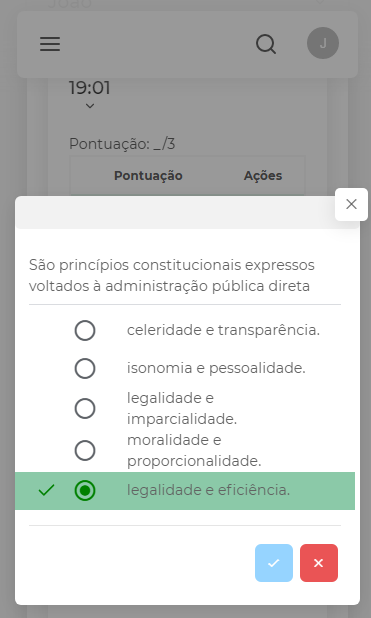
Assessment platforms facilitate distribution, objective correction, and reporting, but the settings must match the purpose. A formative activity can allow for trials and immediate feedback; a summative test may require a more defined window, duration, and controls.
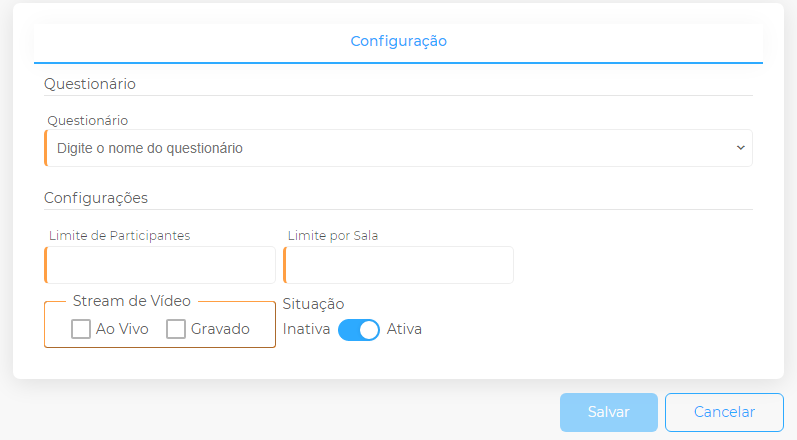
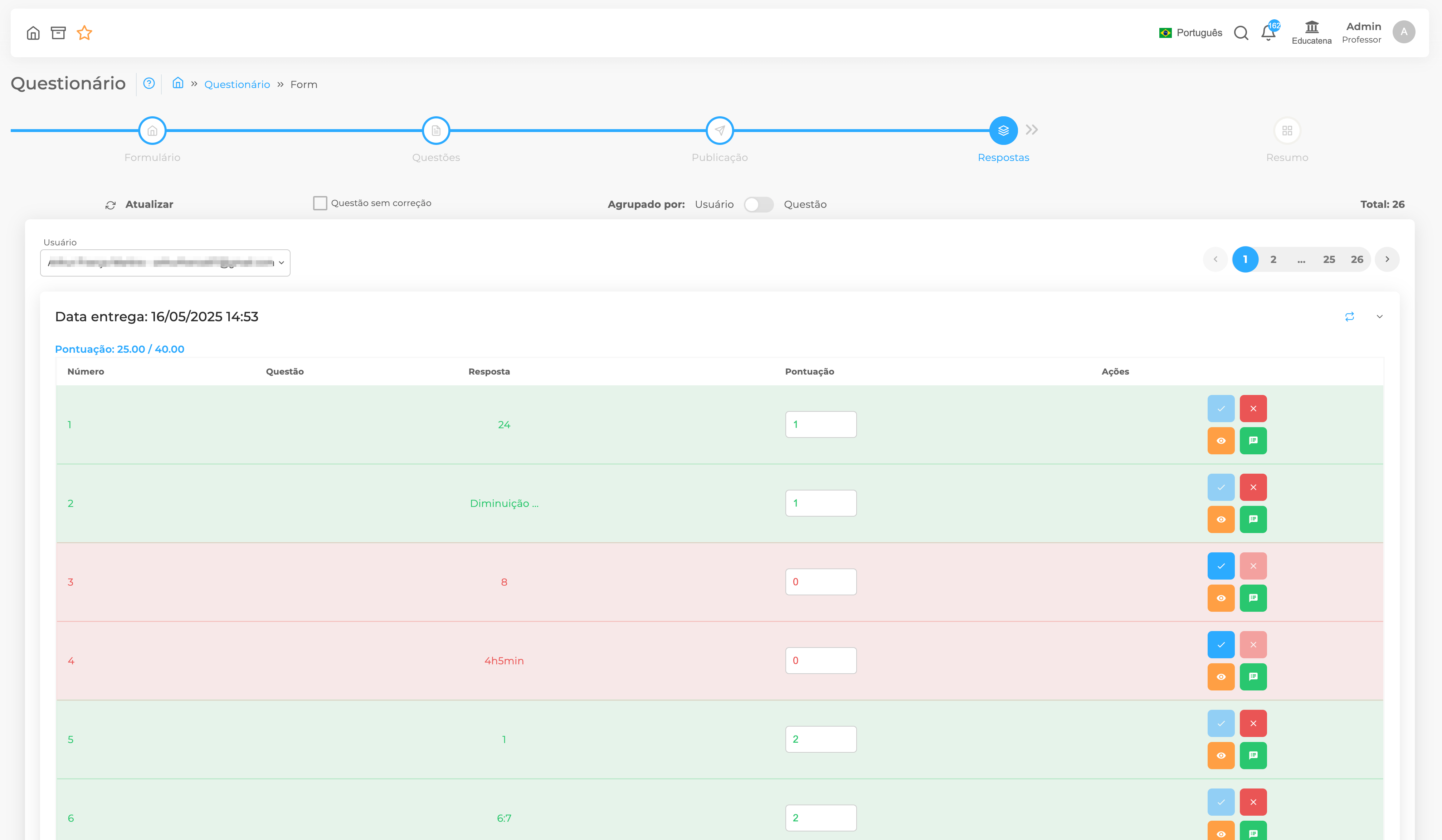
At Educatena, teachers can create different types of questions, schedule assessments, configure feedback and analyze results. These resources gain meaning when the pedagogical design determines how they will be used.
See an example of an evaluation sequence
Before starting a unit, give a short quiz on essential knowledge and use the diagnosis to choose the first examples. During classes, propose exercises with feedback and review the most frequent mistakes in different activities.
At the end, prepare an assessment that represents the skills practiced and uses criteria communicated from the beginning. After correction, compare results with formative evidence and provide feedback on advances and points that continue to be developed.
This sequence does not need to be long. The essential thing is to collect information when there is still time to adjust teaching, allow the student to use the feedback and reserve the final assessment for a coherent summary of the journey.
If the diagnosis shows very different levels, propose support pathways without transforming the initial result into a label. In the formative stages, monitor whether the gaps decrease and adjust the summative assessment to what was actually taught and practiced.
When communicating the sequence, explain the function of each activity. Students participate more consciously when they know which tasks are for practice, which provide feedback, and which contribute to the final result. Transparency also reduces the idea that every assessment is just a grade.
Review the balance at the end of the cycle. If the only relevant evidence came from the summative stage, expand the training opportunities in the next unit so that difficulties can be noticed while there is still time for intervention.
Conclusion
Diagnostic, formative and summative assessments complement each other. When each one has a clear purpose and generates a coherent action, the process offers information before, during and after learning, instead of concentrating all decisions in a single note.