Post-assessment feedback: how to support learning
Learn how to transform test results into clear, actionable feedback that is appropriate to the learning moment.
Receiving just a grade tells you little about how to move forward. Post-assessment feedback connects the result to expected skills, shows consistent points and indicates actions to overcome difficulties. It turns correction into part of the learning process.
Good feedback needs to be understandable, specific and usable. Extensive or generic comments may have little effect if the student does not know what the next step is. The timing, format, and opportunity to apply the guidance are as important as the text.
Define the purpose of the return
In a formative activity, feedback guides a new attempt or step. In a final exam, you can explain criteria, consolidate learning and prepare for the next cycle. Before commenting, identify what the participant can do with the information.
Relate the feedback to the communicated objectives. Instead of “needs improvement,” indicate which concept, procedure, or skill needs attention. This link makes the comment more fair and useful.
Write specific, actionable feedback
Describe observable evidence and offer guidance. For example, indicate that the answer presented the correct concept, but did not justify the requested relationship, and suggest revising an excerpt or redoing a step. Avoid judgments about ability or effort that cannot be inferred from the evidence.
Prioritize few important points. An extensive list of corrections can make action difficult, especially when the student is still building the foundation. Start with what will have the biggest impact on the next activity.
- Return to the assessed criterion or skill.
- Show what was done properly.
- Describe the main gap objectively.
- Indicate an action or resource to move forward.
- Provide opportunities to apply the guidance.
Use automatic feedback with purpose
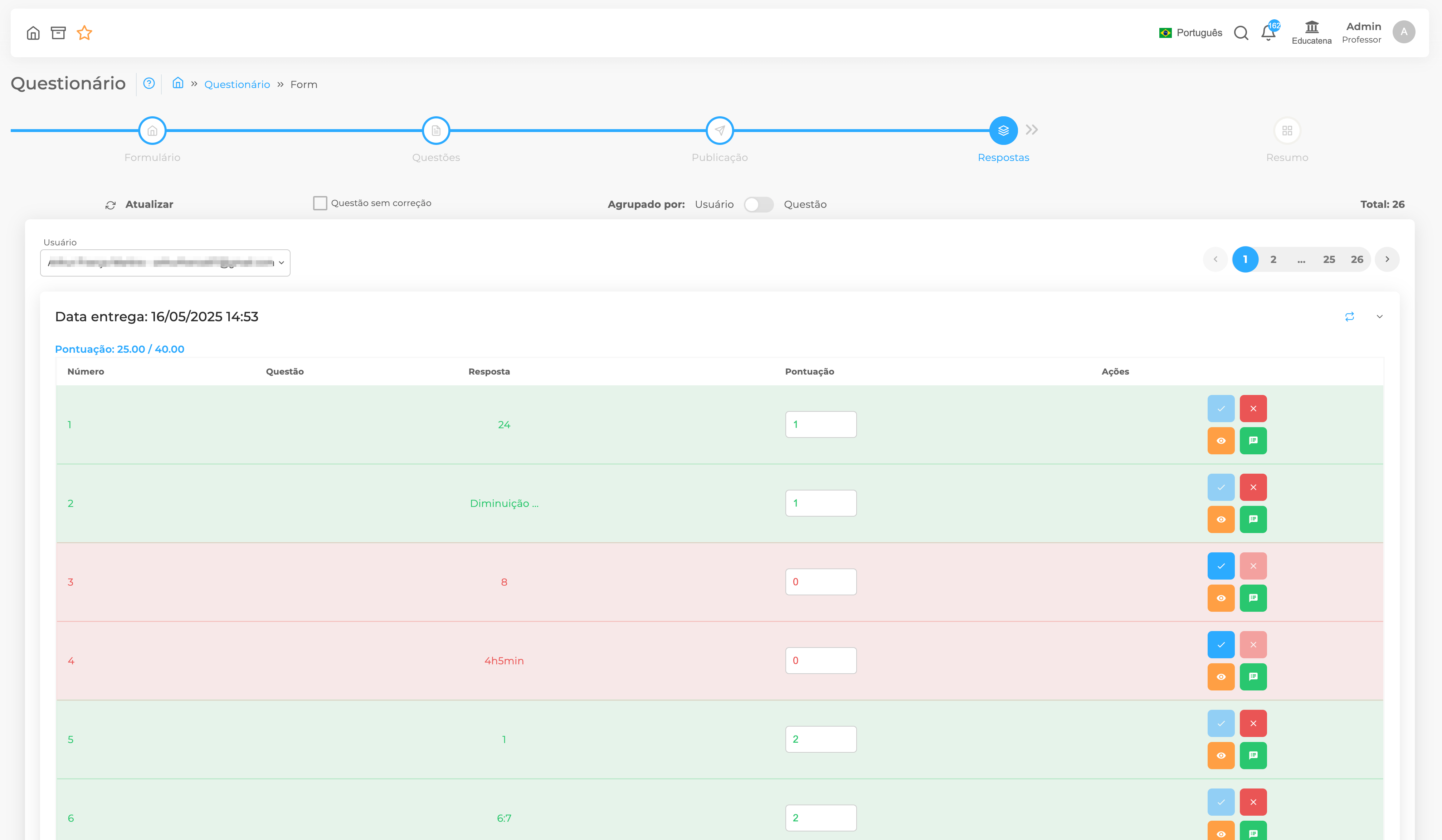
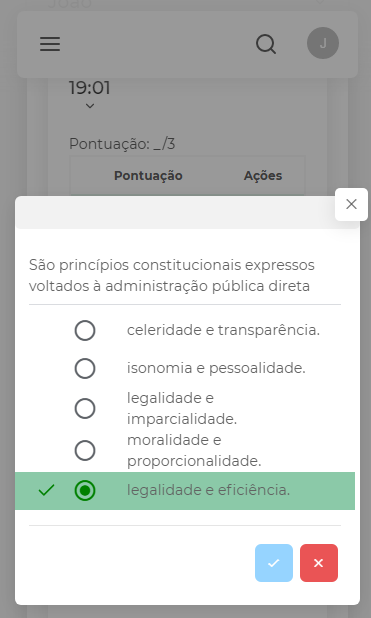
In objective questions, previously configured comments can explain why an alternative is correct, revisit a concept or direct you to a material. This provides quick and consistent feedback for many participants.
Avoid limiting feedback to “right” or “wrong”. When it is appropriate to release the template, include a short explanation. For assessments that will be reused or applied to other groups, carefully choose when to display them.
Combine individual and collective feedback
Individual comments address specific needs. A collective feedback allows you to review issues with a high rate of error, explain strategies and discuss interpretations without exposing participants. The two approaches complement each other.
Reports by question and content help you choose topics for class review. If the problem is with the item itself, acknowledge the need for adjustment and explain how the result will be handled. Transparency strengthens trust in the process.
Deliver on time and create opportunities for use
Feedback loses its effect when it arrives after the student has already completely changed the subject. Plan correction and release considering when there will be room for questions, review, or new activity.
A second attempt, similar exercise or commented correction allows you to apply the guidance. Learning happens when a person uses information to modify their response, strategy or understanding.
Connect feedback, results and planning
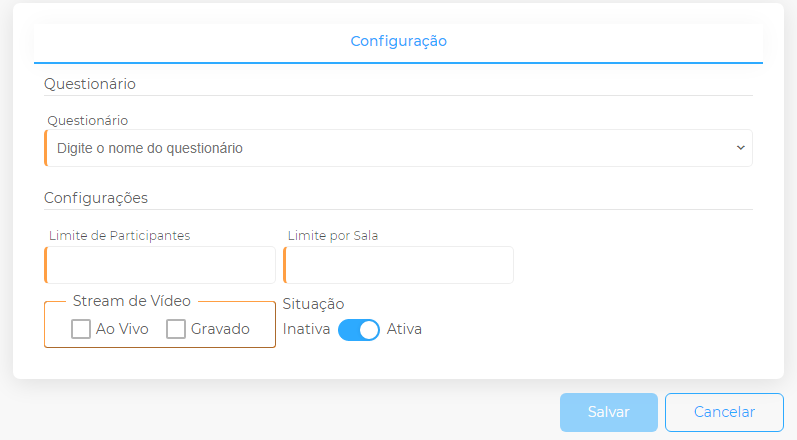
At Educatena, feedback settings, feedback, correction and reports are part of the assessment flow. Teachers can combine automatic feedback on appropriate questions with analysis of answers that require interpretation.
After feedback, record which content needs to be resumed and monitor performance in new activities. This way, feedback stops being the end of the test and becomes a link to the next step in teaching.
Avoid common mistakes when returning
Do not focus the comment on the participant's personality or use public comparisons with colleagues. Feedback must address the work presented and the criteria. Irony, labels or vague messages increase anxiety without indicating how to improve.
Avoid releasing correct answers without explanation when the objective is learning, but consider the confidentiality of assessments that will still be administered. Define in advance what will appear automatically and what will be discussed later.
Also, don't offer guidance without time or opportunity to use it. If the activity definitively concludes the topic, plan at least one review that connects the learnings to the following content. Feedback needs to be part of the evaluation design, and not be an improvised complement.
Also be careful with standardized comments that do not correspond to the answer given. Models can speed correction, but they must be adapted to the observed evidence. A short and pertinent message is more useful than a long text that could be used by anyone.
Separate the moment to explain the result from the moment to discuss disputes or grade revisions, when this is part of the rules. Clear channels and deadlines keep the conversation focused, allow you to record decisions, and ensure consistent handling of similar queries.
Also observe whether participants understood the guidance. Follow-up questions, a redone correction, or a short activity provide better evidence than assuming that reading the comment was sufficient.
Conclusion
Post-assessment feedback is most useful when it explains evidence and points to possible action. With clear criteria, timely feedback and opportunities for practice, results and corrections help students understand where they are and how they can move forward.